Author: admin

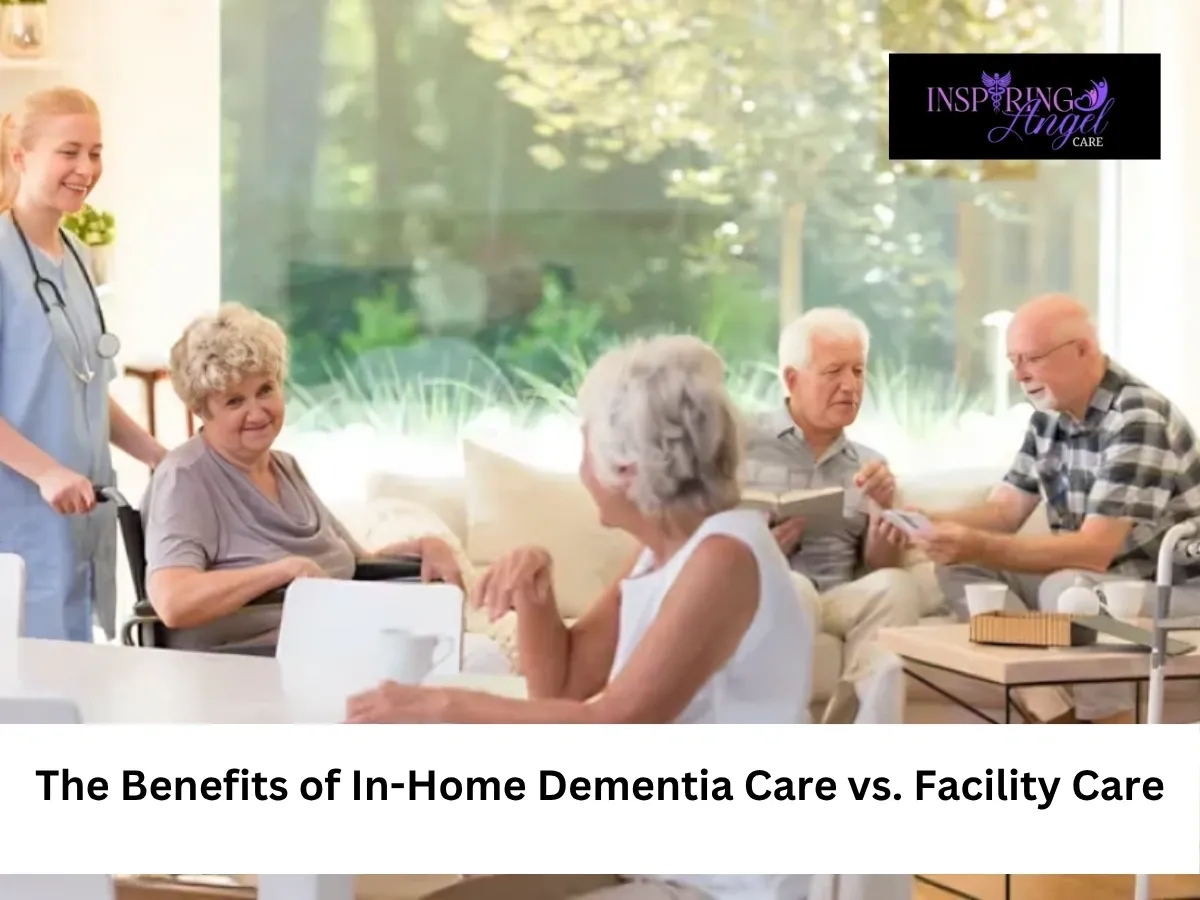
  • The Benefits of In-Home Dementia Care vs. Facility Care

    The Benefits of In-Home Dementia Care vs. Facility Care

    At Inspiring Angel Care LLC, we believe every individual deserves to live with dignity, comfort, and independence at home. Our skilled professionals provide personalized care that is dependable and tailored to each client’s needs, including support for families navigating dementia and memory loss challenges.

    Understanding In-Home Dementia Care vs Facility Care

    In-Home Dementia Care

    In-home dementia care allows seniors to remain in familiar surroundings while receiving support such as daily assistance, companionship, and supervision tailored to their condition.

    Facility-Based Memory Care

    Facility care provides 24/7 supervision in a structured environment with trained staff, routines, and secured spaces designed for advanced dementia needs.

    Key In-Home Dementia Care Benefits

    Familiar Environment Reduces Confusion

    Home surroundings help reduce anxiety, agitation, and memory-related confusion because the patient recognizes their environment.

    One-on-One Dementia Companionship

    Caregivers provide focused attention, emotional support, and meaningful interaction that improves mood and reduces loneliness.

    Aging in Place with Memory Loss

    Remaining at home supports emotional stability, preserves routine, and helps maintain identity for longer periods.

    Personalized Alzheimer’s Care at Home

    Care plans are built around individual habits, triggers, and preferences instead of a standardized facility routine.

    Flexible Cost Structure

    Families can adjust care hours based on need, making it easier to manage the cost of 24-hour dementia care at home compared to fixed facility pricing.

    Benefits of Facility Memory Care

    24/7 Medical Supervision

    Facilities offer constant monitoring for seniors with advanced medical or behavioral needs.

    Secure Environment for Safety

    Memory care units are designed to reduce risks such as wandering and accidental injuries.

    Structured Daily Routine

    Predictable schedules help some patients maintain stability and reduce confusion.

    Memory Care vs Home Care: Key Differences

    Emotional Comfort

    Home care provides emotional familiarity, while facility care offers structured social engagement.

    Level of Independence

    In-home care supports independent living for seniors longer, while facilities provide more controlled environments.

    Care Flexibility

    Home care allows customized schedules, while facility care follows fixed routines.

    Safety Considerations in Dementia Care

    Managing Dementia Wandering Safely

    In-home care uses monitoring, structured routines, and environmental adjustments to reduce wandering risks.

    When Facility Care Becomes Necessary

    If safety risks increase significantly or medical needs become complex, facility care may be more appropriate.

    How Inspiring Angel Care LLC Supports Families

    Personalized Senior Care Plans

    We create care plans based on each client’s cognitive needs, routine, and comfort level.

    Compassionate In-Home Support

    Our caregivers provide assistance with daily living activities, companionship, and emotional care.

    Passport Waiver Program Support

    We also assist eligible families in accessing additional care support through available programs.

    Practical Tips for Families

    Monitor Daily Changes

    Track memory changes, mood shifts, and safety risks regularly.

    Prioritize Emotional Well-Being

    Observe where your loved one feels calmer and more comfortable.

    Plan for Future Progression

    Dementia is progressive, so care plans should remain flexible.

    Frequently Asked Questions

    Is in-home dementia care better than facility care?

    It depends on the stage of dementia. In-home care is better for comfort and familiarity, while facilities are better for advanced medical needs.

    What are the main in-home dementia care benefits?

    Benefits include emotional stability, one-on-one attention, familiar surroundings, and personalized routines.

    How much does 24-hour dementia care at home cost?

    Costs vary based on location and care level, but home care is often more flexible than fixed facility pricing.

    Can dementia patients safely stay at home?

    Yes, with proper supervision, safety planning, and professional caregiver support.

    Conclusion

    Choosing between in-home dementia care and facility care is a deeply personal decision. In-home care offers familiarity, emotional comfort, and personalized support, while facilities provide structured medical supervision. For many families, in-home care remains the preferred option because it supports dignity, independence, and a better quality of life when properly managed.
  • What Families Need to Know About Aging in Place Care in 2026

    What Families Need to Know About Aging in Place Care in 2026

    Aging at home is no longer just a preference. For many families in 2026, it is the most practical, comfortable, and emotionally supportive choice for older adults. But while the idea sounds simple, the reality involves careful planning, the right support system, and informed decisions.

    Families today are navigating more options than ever before, from advanced in-home senior care options to smart technology and evolving healthcare support. Providers like Ipiring Angel Care LLCns are helping families make this transition smoother by offering personalized, dignified care that supports independence without compromising safety.

    This guide goes deeper than most online resources by breaking down what truly matters in aging in place 2026, including modern tools, real-life planning tips, and common mistakes to avoid.

    Why Aging in Place Is Growing in 2026

    Most older adults prefer staying in their own homes, surrounded by familiar routines and memories. But what has changed in 2026 is how achievable this goal has become.

    Here are the key reasons behind the shift:

    • Improved in-home senior care options that offer flexible support
    • Rapid growth in smart home technology for seniors
    • Increased focus on emotional well-being and independence
    • Rising costs of assisted living facilities
    • Better access to community-based care programs

    Unlike many competitor articles that only highlight emotional benefits, it is important to recognize that aging in place today is supported by a complete ecosystem of care, technology, and planning.

    Understanding Modern In-Home Senior Care Options

    One of the biggest gaps in most guides is the lack of clarity around what care actually looks like. In 2026, in-home care is highly customizable.

    Common Types of In-Home Care

    1. Personal Care Assistance

    • Help with bathing, dressing, grooming
    • Mobility and fall prevention support

    2. Companion Care

    • Emotional support and conversation
    • Help with daily routines and errands

    3. Skilled Nursing Care

    • Medication management
    • Chronic condition monitoring

    4. Respite Care for Families

    • Temporary relief for family caregivers
    • Flexible scheduling options

    Working with a provider like Inspiring Angel Care LLC ensures that care plans are tailored, not one-size-fits-all. This is especially important as needs change over time.

    The Role of Smart Home Technology for Seniors

    Technology is one of the biggest upgrades to aging in place 2026. Many families overlook how impactful these tools can be.

    Key Technologies Making a Difference

    • Voice-controlled assistants for reminders and communication
    • Smart fall detection systems that alert caregivers instantly
    • Automated lighting and thermostats for safety and comfort
    • Video doorbells and security systems for peace of mind

    These tools are not just convenient. They actively reduce risks and improve independence.

    AI-Powered Health Monitoring in 2026

    A major advancement missing from many competitor blogs is the rise of AI-powered health monitoring 2026 solutions.

    These systems track patterns in:

    • Heart rate and vital signs
    • Sleep quality
    • Movement and daily activity

    If something unusual happens, alerts are sent to caregivers or healthcare providers. This proactive approach helps prevent emergencies before they happen.

    Affordable Home Accessibility Modifications

    Making a home safe does not always require a full renovation. Many affordable home accessibility modifications can dramatically improve safety.

    Simple Upgrades That Make a Big Impact

    • Grab bars in bathrooms
    • Non-slip flooring or mats
    • Stair railings and ramps
    • Walk-in showers
    • Wider doorways for mobility aids

    These changes support senior home safety, one of the most critical aspects of aging in place.

    Financial Planning for Aging in Place

    Another area where most articles fall short is cost transparency. Families need a realistic understanding of expenses.

    Key Cost Considerations

    • Hourly or full-time caregiver costs
    • Home modification expenses
    • Technology setup and maintenance
    • Medical equipment and supplies

    Ways to Manage Costs

    • Long-term care insurance
    • Medicaid waiver programs
    • Veteran benefits
    • Local community assistance programs

    Planning early can prevent financial stress later.

    Common Mistakes Families Should Avoid

    Even with the best intentions, families often make avoidable mistakes.

    Watch Out For These Pitfalls

    • Waiting too long to start planning
    • Underestimating future care needs
    • Ignoring home safety risks
    • Relying solely on family caregivers without support
    • Not using available technology

    Avoiding these mistakes can make aging in place safer and more sustainable.

    How to Create a Personalized Aging in Place Plan

    A successful plan combines care, safety, and flexibility.

    Step-by-Step Approach

    1. Assess current health and mobility
    2. Evaluate home safety
    3. Explore in-home senior care options
    4. Integrate smart technology
    5. Plan finances and resources
    6. Reassess regularly as needs change

    This approach ensures that your loved one can maintain independence while receiving the support they need.

    The Emotional Side of Aging at Home

    Beyond logistics, aging in place supports mental and emotional health.

    Benefits include:

    • Stronger sense of independence
    • Reduced stress and anxiety
    • Better connection to family and community
    • Familiar environment that supports memory

    These factors play a major role in overall well-being and quality of life.

    Conclusion

    Aging in place 2026 is more achievable than ever, but it requires thoughtful planning, the right support, and a willingness to adapt. From advanced in-home senior care options to smart technology and proactive health monitoring, families now have powerful tools to help loved ones stay safe and independent at home.

    The key is to start early, stay informed, and build a care plan that evolves over time. With the right approach, aging at home can be not only safe but deeply fulfilling.

    FAQs

    1. What is aging in place 2026?

    It refers to older adults living safely and independently at home using modern care services, smart technology, and personalized support systems.

    2. What are the best in-home senior care options?

    Options include personal care, companion care, skilled nursing, and respite care. The best choice depends on health needs and lifestyle preferences.

    3. How does smart home technology help seniors?

    It improves safety through fall detection, reminders, automation, and real-time communication with caregivers or family members.

    4. Is aging in place more affordable than assisted living?

    In many cases, yes. With proper planning, combining home modifications, part-time care, and community programs can be more cost-effective.

  • What Is In-Home Health Care and Why It Matters

    What Is In-Home Health Care and Why It Matters

    As more families look for ways to support aging loved ones, in-home health care has become one of the most trusted and effective solutions. Instead of moving into a facility, seniors can receive personalized care right where they feel most comfortable, at home.

    At Inspiring Angel Care LLC, the focus is simple yet powerful. Everyone deserves dignity, comfort, and independence at home. Through dependable and personalized support, seniors can continue living safely while receiving the help they need.

    But what exactly is in-home health care, and why does it matter so much today? Let’s break it down in a clear, practical way.

    What Is In-Home Health Care?

    In-home health care refers to a range of medical and non-medical services provided in a person’s home. These services are designed to support individuals who need assistance due to aging, illness, injury, or disability.

    Unlike hospital or facility-based care, this approach focuses on personalized home care tailored to each individual’s daily needs, health conditions, and lifestyle.

    Types of In-Home Care Services

    In-home care can include:

    • Skilled nursing care such as medication management and wound care
    • Activities of daily living (ADLs) assistance like bathing, dressing, and grooming
    • Companion care services for emotional support and social interaction
    • Therapy services including physical, occupational, or speech therapy
    • Meal preparation and light housekeeping
    • Transportation to appointments and errands

    This flexibility is what makes home care services for seniors so valuable. Care plans can be adjusted as needs change.

    Why In-Home Health Care Matters More Than Ever

    Many competitor articles explain what home care is, but they often miss the deeper impact it has on quality of life. In-home care is not just about assistance. It is about preserving independence, dignity, and emotional well-being.

    1. Supports Maintaining Independence at Home

    One of the biggest concerns for seniors is losing independence. In-home care allows individuals to stay in familiar surroundings while receiving help only where needed.

    For example, a senior who needs help with bathing or meal prep can still manage their daily routine, hobbies, and social life with confidence.

    This approach encourages aging in place, which has been shown to improve both mental and physical health.

    2. Personalized Care That Fits Real Life

    Facility care often follows a fixed routine. In contrast, in-home care adapts to the individual.

    Caregivers can:

    • Follow the client’s preferred schedule
    • Provide one-on-one attention
    • Adjust care plans as health needs evolve

    At Inspiring Angel Care LLC, services are tailored to each client’s unique situation, ensuring care feels supportive rather than restrictive.

    3. EHomenhances Senior Safety at 

    Safety is a major concern for families. Falls, medication errors, and mobility challenges can pose serious risks.

    In-home caregivers help reduce these risks by:

    • Assisting with safe movement around the home
    • Monitoring medications
    • Identifying potential hazards like loose rugs or poor lighting

    This proactive approach improves overall senior safety at home and gives families peace of mind.

    4. Provides Emotional and Social Support

    Loneliness is one of the most overlooked challenges among seniors. Many competitor blogs briefly mention companionship but fail to explain its real impact.

    Companion care services can:

    • Reduce feelings of isolation
    • Encourage conversation and engagement
    • Support mental health and emotional well-being

    Even simple activities like sharing meals or going for a walk can make a meaningful difference.

    5. Offers Caregiver Support for Families

    Family caregivers often juggle jobs, responsibilities, and emotional stress. In-home care provides essential caregiver support, allowing families to rest and recharge.

    For example:

    • A working adult child can rely on a caregiver during the day
    • Families can avoid burnout while still staying involved
    • Emergency or respite care can fill unexpected gaps

    This balance helps maintain healthier relationships between seniors and their loved ones.

    6. Access to Programs Like the Passport Waiver

    Many families are unaware of financial assistance options. Programs like the Passport Waiver program senior care help eligible individuals receive care at home instead of moving into a nursing facility.

    Providers like Inspiring Angel Care LLC assist clients in navigating these programs, making quality care more accessible and affordable.

    Key Benefits of In-Home Health Care

    When comparing care options, the benefits of in-home health care stand out clearly:

    • Comfort of staying in a familiar environment
    • Greater independence and control over daily life
    • One-on-one personalized attention
    • Reduced risk of infections compared to facilities
    • Flexible care plans that grow with changing needs
    • Stronger emotional well-being and companionship

    These benefits combine to create a higher overall quality of life.

    Who Can Benefit From Home Care Services?

    In-home care is not just for seniors. It can support a wide range of individuals, including:

    • Older adults who want to age in place
    • Individuals recovering from surgery or illness
    • People managing chronic conditions
    • Those with mobility limitations or disabilities
    • Families needing temporary or long-term support

    Whether short-term or ongoing, home care services for seniors and others can be customized to fit different situations.

    How to Choose the Right In-Home Care Provider

    Choosing a provider is an important decision. Here are some practical tips to guide you:

    Look for Personalized Care Plans

    Avoid one-size-fits-all services. Care should be tailored to the individual.

    Check Caregiver Qualifications

    Ensure caregivers are trained, experienced, and compassionate.

    Ask About Flexibility

    Care needs can change. Choose a provider that can adapt quickly.

    Understand Available Programs

    Ask if they support programs like the Passport Waiver to help with costs.

    Read Reviews and Testimonials

    Real experiences can give insight into reliability and quality of care.

    Common Misconceptions About In-Home Health Care

    “It’s Only for Medical Needs”

    Not true. Many services focus on daily living support and companionship.

    “It’s Too Expensive”

    With flexible plans and assistance programs, it can be more affordable than expected.

    “It Means Losing Independence”

    In reality, it helps seniors maintain independence longer.

    Final Thoughts

    In-home health care is more than a service. It is a way to preserve dignity, independence, and quality of life for those who need support.

    By combining personalized care, safety, and emotional connection, it allows individuals to continue living life on their terms. Whether it is help with daily tasks or more advanced care, the right support system can make all the difference.

    For families exploring care options, understanding these benefits is the first step toward making a confident and informed decision.

    FAQs

    1. What is included in in-home health care?

    It includes medical and non-medical services such as nursing care, ADLs assistance, meal preparation, companionship, and therapy services.

    2. Who qualifies for home care services for seniors?

    Eligibility depends on health needs and, in some cases, financial programs like the Passport Waiver. A care assessment typically determines qualification.

    3. How does in-home care help with maintaining independence at home?

    It provides support only where needed, allowing seniors to continue their routines, make decisions, and live comfortably in their own space.

    4. Is in-home health care better than assisted living?

    It depends on individual needs. In-home care is ideal for those who prefer staying at home while receiving personalized, flexible support.

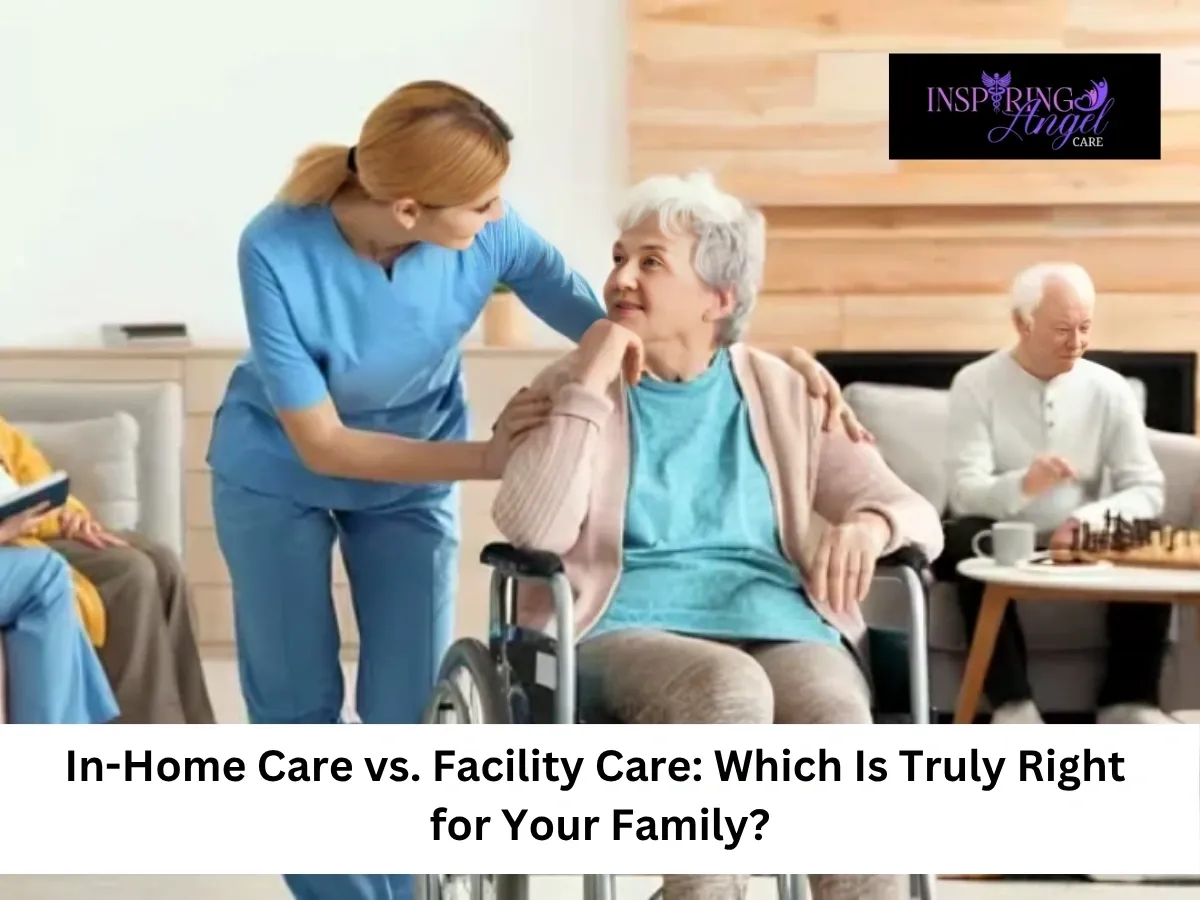
  • In-Home Care vs. Facility Care: Which Is Right for Your family?

    In-Home Care vs. Facility Care: Which Is Right for Your family?

    Choosing between in-home care and facility care is one of the most important and emotional decisions a family can make. It affects not only a senior’s health and safety but also their independence, dignity, and overall happiness.

    At Inspiring Angel Care LLC, we understand how overwhelming this decision can feel. At Inspiring Angel Care, we believe everyone deserves to live with dignity, comfort, and independence at home. Our skilled professionals provide personalized care that is dependable and tailored to the unique needs of each client. From daily living support to companionship and supportive care, we help seniors live safely at home while also assisting families who qualify for the Passport Waiver program.

    To make the right choice, you need more than surface-level comparisons. You need clarity, real-life context, and a deep understanding of what each option truly offers.

    What Competitor Articles Often Miss

    After analyzing leading articles on this topic, several gaps become clear:

    • They explain differences but not real-life decision outcomes
    • Limited focus on emotional well-being and loneliness in seniors
    • Minimal breakdown of long-term home care cost comparison
    • No structured decision-making framework for families
    • Little attention to flexible care models or hybrid solutions

    This guide fills those gaps with practical insights, examples, and actionable guidance.

    Understanding the Two Care Options

    What Is In-Home Care?

    In-home care provides professional support for seniors in the comfort of their own home. It focuses on maintaining independence while offering help where needed.

    Common services include:

    • Assistance with bathing, dressing, and grooming
    • Medication reminders and routine monitoring
    • Meal preparation and nutrition support
    • Light housekeeping and mobility help
    • Companionship and emotional support

    This approach is closely tied to independent living for seniors, where the goal is to preserve daily routines and comfort.

    What Is Facility Care (Nursing Home Care)?

    Facility care, often referred to as nursing home care, provides 24/7 supervision in a structured environment.

    Services typically include:

    • Round-the-clock medical care
    • Skilled nursing and rehabilitation services
    • Supervised meals and activities
    • Support for chronic or advanced conditions
    • Immediate emergency response availability

    It is best suited for seniors who require constant medical attention or cannot safely remain at home.

    In-Home Care vs. Nursing Home: Key Differences That Matter

    1. Independence and Daily Freedom

    • In-home care: Seniors maintain their routines and lifestyle
    • Facility care: Daily routines are structured and shared

    One of the strongest aging in place benefits is the ability to stay in a familiar environment, which helps seniors feel more in control of their lives.

    2. Emotional Health and Comfort

    Emotional well-being is often overlooked but extremely important.

    Seniors receiving care at home often experience:

    • Reduced anxiety and confusion
    • Stronger family connections
    • A sense of familiarity and safety
    • Lower risk of depression

    In contrast, facility care can sometimes feel isolating during the adjustment period, especially for seniors transitioning from long-term home living.

    3. Home Care Cost Comparison

    Cost is one of the most common concerns for families.

    • In-home care: Flexible pricing based on hours and services needed
    • Facility care: Fixed monthly cost that includes housing, meals, and medical care

    In many cases, in-home care is more affordable for families who do not require full-time skilled nursing.

    However, costs may balance out when extensive medical care is needed daily.

    4. Level of Medical Support

    • Facility care: Best for advanced medical conditions and continuous monitoring
    • In-home care: Ideal for moderate assistance and non-critical medical needs

    Families should carefully evaluate health conditions, mobility, and chronic illnesses before deciding.

    5. Personalization of Care

    One of the biggest advantages of home care is flexibility.

    With personalized senior care plans, families can customize:

    • Daily routines
    • Caregiver schedules
    • Level of assistance
    • Emotional and companionship support

    Facility care, while structured and safe, follows standardized schedules that apply to all residents.

    Real-Life Scenarios to Help Families Decide

    When In-Home Care Is the Better Fit

    • Your loved one wants to stay in familiar surroundings
    • They need help but are still physically stable
    • Family members are involved in caregiving
    • Emotional comfort is a top priority

    Example: A senior recovering from surgery who needs temporary daily assistance but not hospitalization-level care.

    When Facility Care Is the Better Fit

    • Advanced dementia or Alzheimer’s care is needed
    • Frequent medical emergencies or hospital visits occur
    • Mobility is extremely limited
    • No safe home environment is available

    Example: A senior with multiple chronic conditions requiring constant monitoring and rehabilitation support.

    The Growing Preference for Aging in Place

    More families today are choosing aging in place because it offers:

    • Greater emotional stability
    • Familiar routines and surroundings
    • Stronger family involvement
    • Improved long-term mental health outcomes

    Advances in caregiving services now make it possible for many seniors to safely remain at home longer than before.

    Flexible Care: The Middle Ground Many Families Miss

    A major insight missing from competitor content is that care is not always an “either-or” decision.

    Many families benefit from hybrid care options such as:

    • Part-time home care with family support
    • Transitional care after hospital discharge
    • Respite care for family caregivers
    • Progressive care adjustments as health changes

    This flexibility allows families to adapt care without disrupting comfort or safety.

    How Inspiring Angel Care Supports Families

    Choosing care is not just a medical decision, it is a life decision.

    At Inspiring Angel Care LLC, we help families navigate this process with confidence by offering:

    • Compassionate in-home care services
    • Assistance with daily living and companionship
    • Customized care planning based on real needs
    • Support for families enrolled in the Passport Waiver program

    Our goal is simple: help seniors stay safe, comfortable, and independent at home whenever possible.

    Decision Guide: How to Choose the Right Option

    Ask these key questions before deciding:

    1. What level of medical care is truly needed daily?
    2. Is the home environment safe and accessible?
    3. How important is independence to your loved one?
    4. What is the long-term financial plan?
    5. What environment supports emotional well-being best?

    If most answers lean toward independence and moderate care, in-home care is often the better choice. If they lean toward medical complexity, facility care may be necessary.

    Frequently Asked Questions

    1. What is the biggest difference between in-home care and nursing homes?

    The biggest difference is location and independence. In-home care allows seniors to stay at home, while nursing homes provide 24/7 structured facility-based care.

    2. Is aging in place safe for seniors?

    Yes, when proper support is in place. With trained caregivers and home modifications, many seniors safely age in place for years.

    3. Which is more affordable: home care or facility care?

    It depends on care needs. In-home care is often more affordable for part-time assistance, while facility care may be necessary for full-time medical supervision.

    4. Can in-home care replace nursing home care completely?

    Not always. In-home care is ideal for moderate needs, but nursing homes are better for advanced medical or high-risk conditions.

    Final Thoughts

    The decision between in-home care vs nursing home care is deeply personal and should never be rushed. It depends on health needs, financial planning, emotional well-being, and long-term goals.

    For many families, in-home care provides the right balance of comfort, independence, and personalized support. For others, facility care offers the safety and structure required for complex medical conditions.

    What matters most is choosing the option that ensures dignity, safety, and quality of life for your loved one.